:format(webp)/myfashionmanager.com/static/myfashionmanager/img/logo-darkbg.png "MyFashionManager")
News
Navigating the Future of Fashion: How Temporary Projects Are Changing the Industry
by MyFashionManager Team | 2 years, 1 month ago
Navigating the Future of Fashion: How Temporary Projects Are Changing the Industry
In recent years, the fashion industry has been undergoing a significant transformation. The fast-paced nature of fashion, combined with evolving consumer demands and global challenges, has necessitated a shift towards more agile and dynamic business models. One trend that has emerged at the forefront of this transformation is the rise of temporary or project-based work. This approach allows fashion companies to remain competitive and responsive, driving innovation and growth in a rapidly changing market.
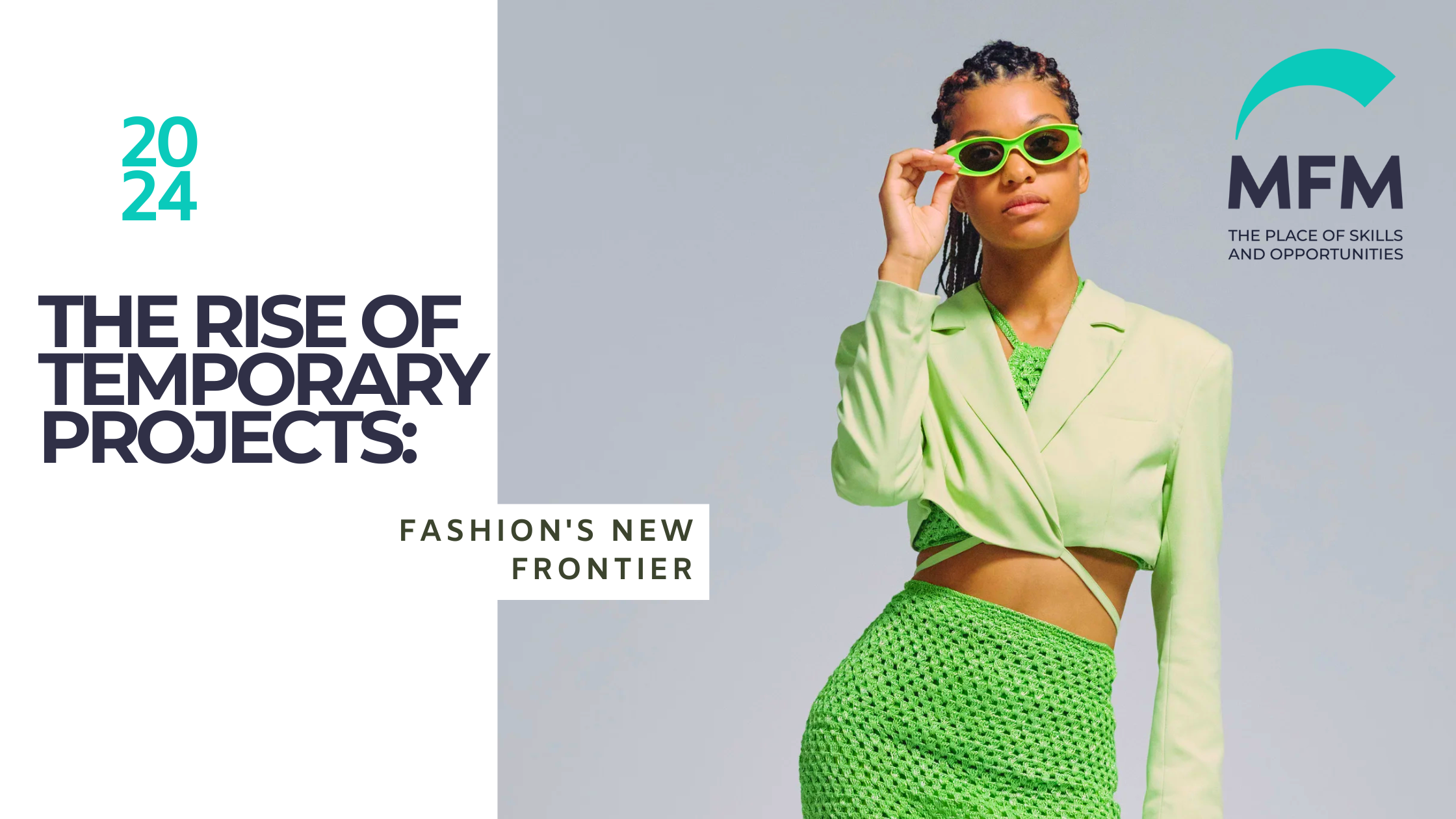
Why Temporary Projects?
The traditional fashion calendar — marked by seasonal collections, long-term contracts, and extensive in-house teams — is slowly being replaced by a more flexible, project-oriented approach. Here are a few reasons why:
Agility and Flexibility: Temporary projects allow fashion companies to respond quickly to new trends and market shifts. Instead of being tied down by long-term commitments, companies can rapidly assemble teams of experts tailored to specific project needs, whether it’s launching a new collection, creating a marketing campaign, or enhancing digital presence.
Access to Specialized Talent: The fashion industry is highly specialized, requiring unique skills in areas such as digital marketing, sustainable sourcing, trend forecasting, and e-commerce. Temporary projects enable companies to access a diverse pool of talent without the constraints of traditional hiring processes. They can bring in highly skilled managers or professionals on a short-term basis to execute specific tasks, ensuring that the right expertise is available when needed.
Cost Efficiency: Maintaining large, permanent teams can be financially burdensome, especially for small to medium-sized fashion brands. Temporary projects help reduce overhead costs by employing talent only when needed. This allows brands to invest more in creativity, innovation, and consumer engagement rather than in sustaining a fixed workforce.
Fostering Innovation: Temporary projects can drive innovation by introducing fresh perspectives and ideas. When companies work with different managers or teams on a project-by-project basis, they benefit from diverse insights and approaches that can lead to breakthrough ideas and creative solutions.
How Are Temporary Projects Shaping the Fashion Landscape?
Pop-Up Collaborations and Events: Many brands are leveraging temporary projects to create unique, memorable experiences through pop-up stores, limited-edition collaborations, and exclusive events. These short-term projects generate buzz and excitement, drawing in new customers and reinforcing brand identity.
Sustainable Fashion Initiatives: Sustainability is a growing concern in the fashion industry. Temporary projects focused on sustainable practices — such as developing eco-friendly collections, optimizing supply chains, or reducing waste — allow brands to experiment with innovative solutions without the long-term commitment. This agile approach enables brands to pivot quickly based on what works best for their sustainability goals.
Digital Transformation: The pandemic accelerated the need for digital transformation across the fashion industry. Temporary digital projects, such as enhancing online shopping platforms, creating virtual fashion shows, or developing augmented reality fitting rooms, have become more common. These projects are often managed by specialized digital managers brought in for their expertise in the rapidly evolving digital landscape.
Trend Response and Experimentation: Fashion is all about trends — and trends move fast. Temporary projects provide brands the opportunity to experiment with new styles, fabrics, and designs quickly. If a trend proves successful, it can be scaled up; if not, the brand can move on without a significant investment loss.
Key Benefits for Fashion Brands
Reduced Risk: Engaging in temporary projects allows brands to test new ideas with minimal financial risk. Instead of committing to large-scale changes or launches, they can explore smaller, more manageable initiatives that can be scaled based on success.
Enhanced Creativity: Fresh talent brings fresh ideas. By engaging different professionals for each project, brands continually inject new creativity into their processes, helping them stand out in a crowded market.
Better Resource Management: With the flexibility to scale teams up or down based on project requirements, brands can better manage resources, reducing costs and ensuring that they are using their talent most effectively.
Challenges to Consider
While temporary projects offer numerous advantages, they are not without challenges. Managing short-term teams requires strong communication and coordination skills to ensure that all members are aligned and working towards common goals. Additionally, brands must be careful not to sacrifice consistency and brand integrity in their pursuit of agility.
The Future of Fashion Projects: A Hybrid Model
Looking ahead, it’s clear that temporary projects will continue to play a vital role in the fashion industry. However, rather than replacing traditional long-term structures entirely, a hybrid model may emerge, blending permanent teams with a flexible, project-based approach. This model allows brands to retain core capabilities while benefiting from the agility and innovation that temporary projects offer.
Conclusion
The shift towards temporary projects represents a significant change in the way fashion companies operate. It reflects a broader trend towards agility, specialization, and efficiency in response to a rapidly evolving market landscape. For fashion brands willing to embrace this new model, the opportunities for growth and innovation are immense. Platforms like myfashionmanager.com are at the forefront of this movement, connecting companies with the skilled managers they need to navigate this dynamic environment successfully.
Follow us on LinkedIn: MyFashionManager.com
:format(webp)/myfashionmanager.com/static/myfashionmanager/img/logo-icon.png "MyFashionManager")